Annual Summit 2026: Pioneer Progress
On Thursday 15 October, 141 consultancy leaders came together in London for our 5th Annual Consultancy Summit. The theme was Pioneer progress: how to keep growing when the market won’t sit still.
Charles Vivian: reading the market
“If I had enough pipeline three to six months out, the business of today would take care of itself.”
Charles Vivian
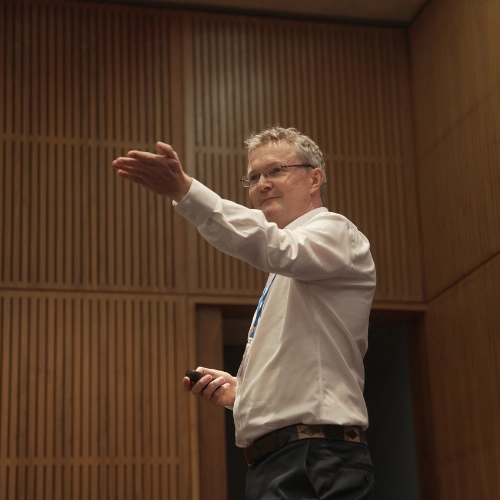
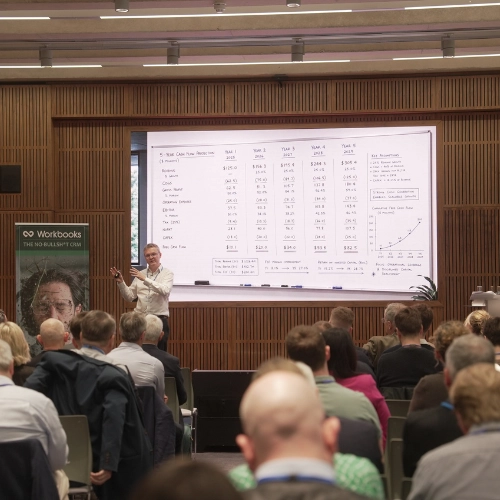
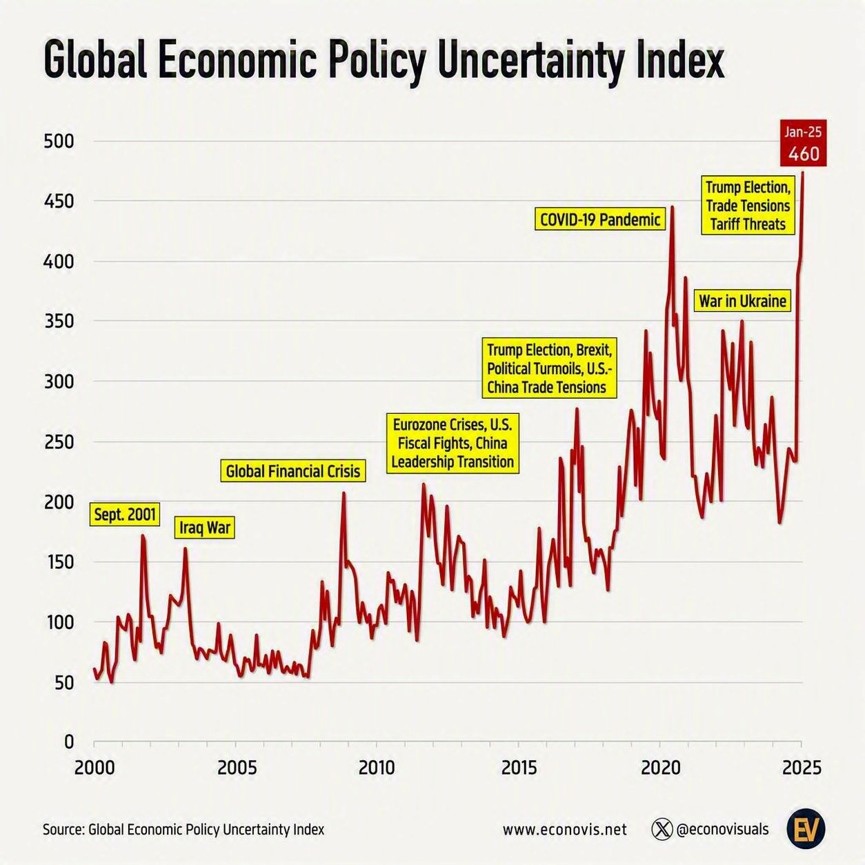
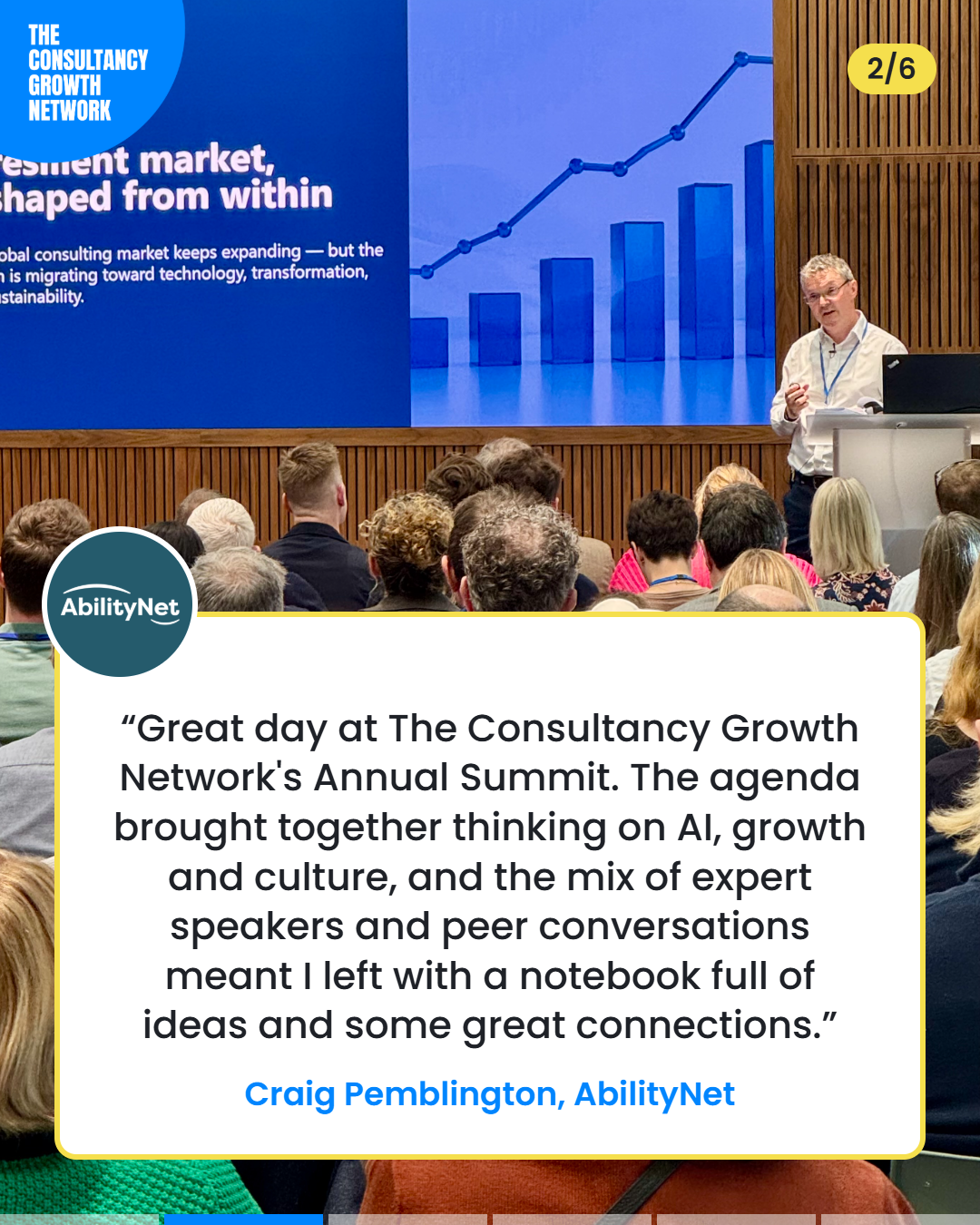
Charles, who has built, run, bought and sold consulting businesses worldwide, opened the TCGN flagship event with the Global Economic Policy Uncertainty Index, which has risen dramatically this decade. In that context, his warning was simple: “what’s got you here may not get you there”. When he was CEO of a 200-person consultancy and a third of his team had no client work, three numbers turned it round: pipeline three to six months out, utilisation and cash.
His mantra became “run the business in the future” and he still advocates for that approach. And on utilisation, he reminded the audience that “every day of lost utilisation, at an individual level, you never get back.”
He also urged leaders to track indicators such as interest rates, GDP and oil prices, so they can talk to clients business leader to business leader.
In respect of AI, Charles’ advice for boutique consultancy firms was three-fold: reprice around value before AI erodes the billable hour, focus on growth pockets, and move AI from experiments into delivery. Only 24% of organisations have AI in production, though 56% use it.
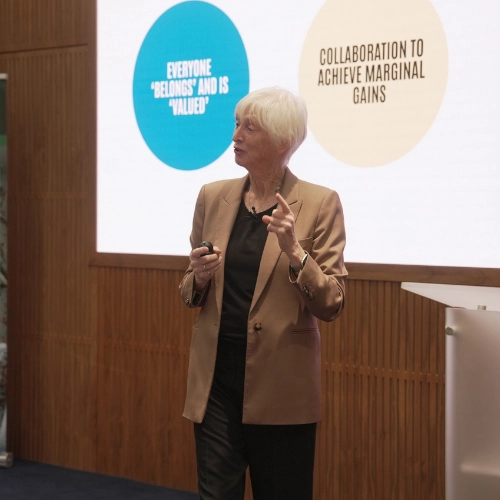
Baroness Sue Campbell: making the impossible possible
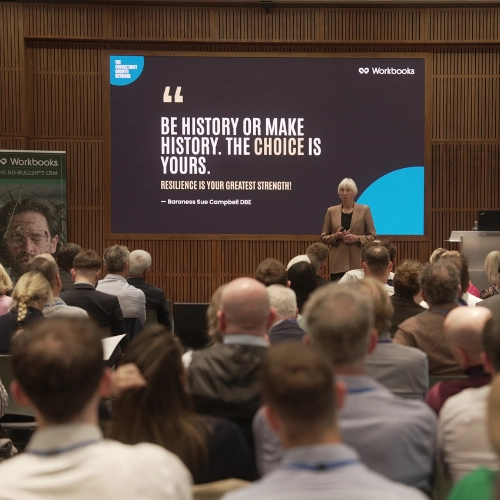
“Be history or make history. The choice is yours”
Baroness Sue Campbell, DBE
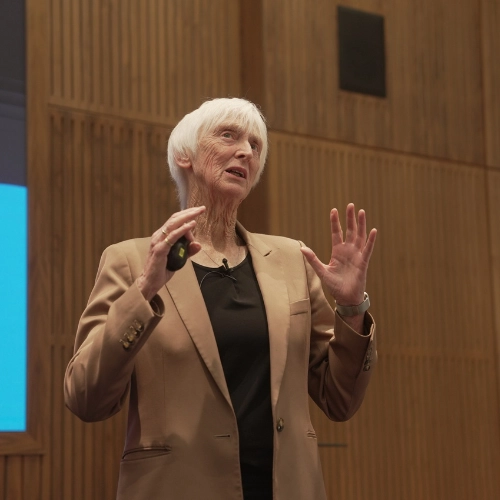
As Chair of UK Sport, Baroness Sue Campbell helped Team GB climb from 10th in the Olympic medal table to 3rd at London 2012 and 2nd in Rio. Her formula was to raise the bar with “no excuses, no compromise”, do what’s right rather than what’s popular and build one team with one mission.
At The FA, when she first met the Lionesses, they listed everything wrong with their set-up. She fixed what she could overnight and was honest about the rest. Her advice to boutique consultancy leaders was “don’t sell the dream”. Through incremental change, it culminated in England winning the Euros at a packed Wembley. All the doubt, she said, “was worth every moment”.
She shared three questions for any team: “What do you do? What could you do? And what stops you?” Then build trust and accountability around them, and keep chasing marginal gains: “We can all find something to improve by 0.1%.”
Daniel Priestley: the scale-up playbook
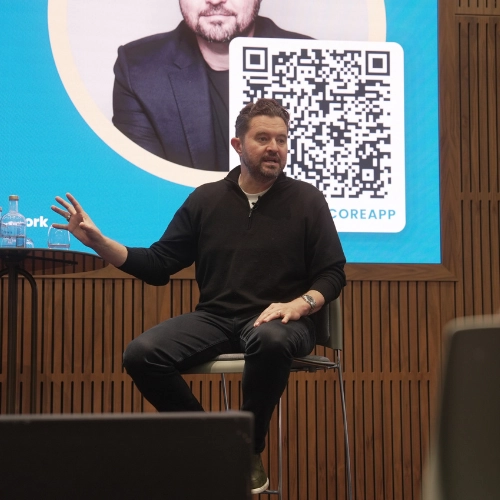
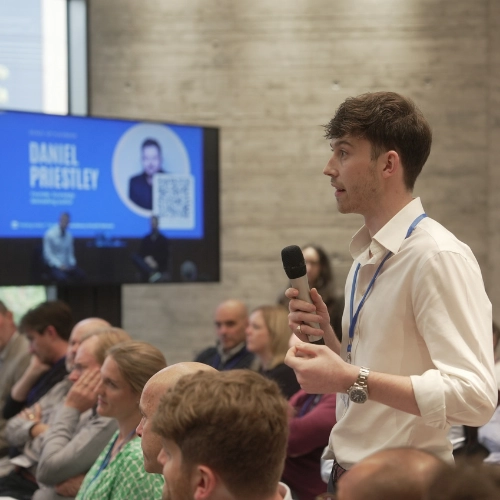
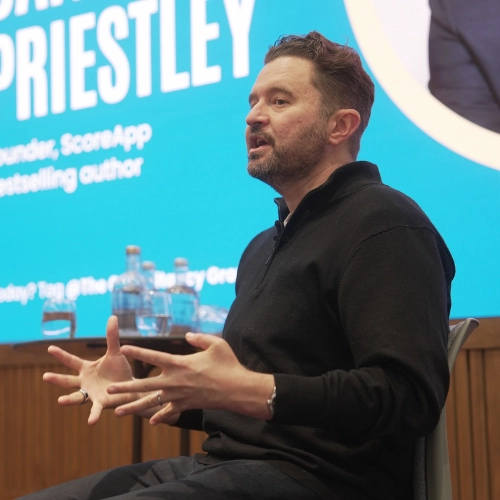
“You need way more demand than you think you need”
Daniel Priestley
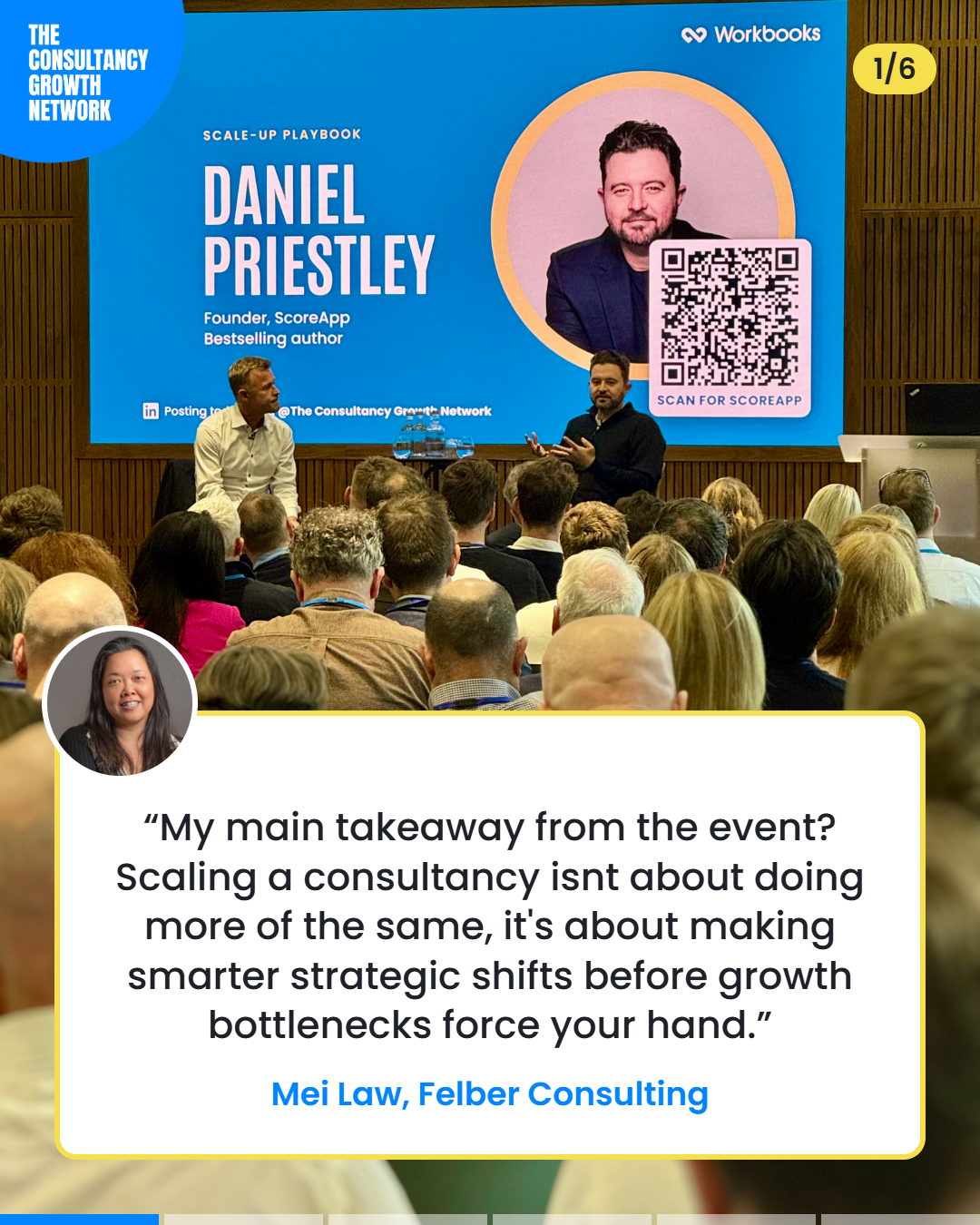
Daniel is a serial entrepreneur, founder of Dent Global and co-founder of ScoreApp. In his interview with Marc Jantzen, TCGN founder, CEO and Growth Expert, Daniel argued that change is good news for consultancies. He said, “When companies have to respond to change, they bring in teams of consultants.” But the winners will “stop thinking inputs and start thinking outcomes”. That means fewer, bigger clients and software in the pitch instead of decks. Daniel recommends that consultancy leaders start by asking: “If I were starting again from scratch, what would I do differently?”
That gives boutiques an edge. Big organisations can’t build their own tools fast: by the time they get “27 layers of approval”, the moment’s gone. Daniel explained that big consulting firms are “slow and expensive”, whereas boutiques can prototype in an afternoon, and have the judgement and client relationships to sell it.
He said that as a rule of thumb, every sale needs an audience of around 1,000 people, and buyers only notice you the 11th time they see you. The challenge he put to the audience is to post every day on the topics only you can talk about, because “being invisible does brand damage”.
Daniel advised leaders to build their personal brand around their firm’s ideas. “It’s not about look at me, it’s about look at this.” Buyers spend two to seven hours researching before they’ll talk to you, so give them assessments, reports and long-form content.
Growth expert panel: the hard lessons won
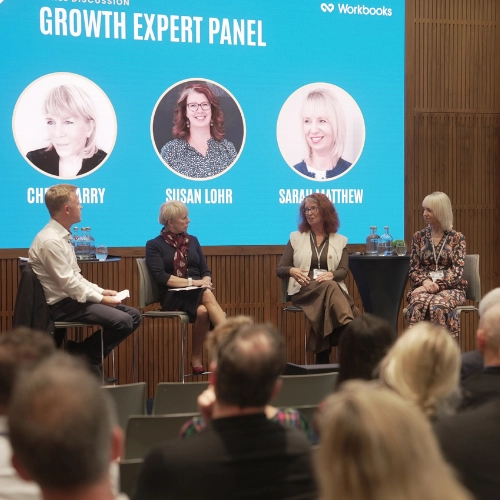
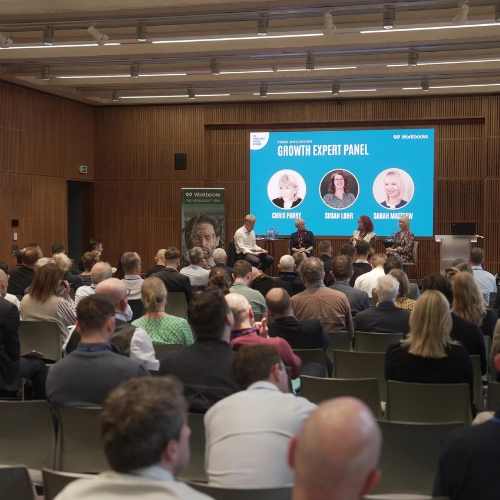
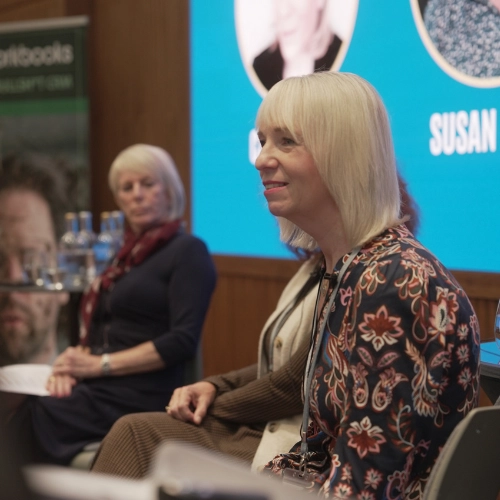
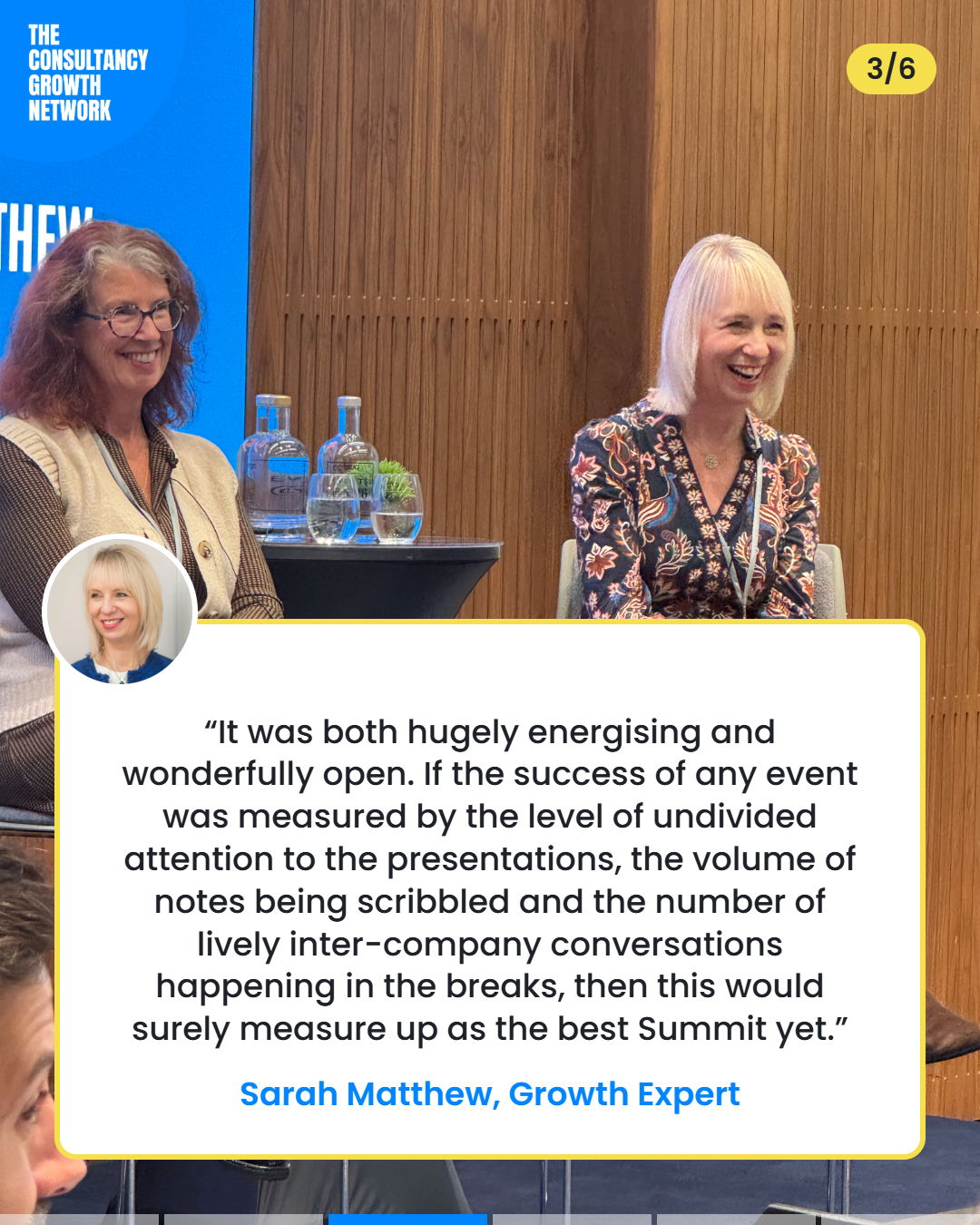
Chris Parry, Susan Lohr and Sarah Matthew are all TCGN Growth Experts, who’ve built and sold five consultancies between them, closed the day.
Sarah Matthew launched her second consulting firm with a five-year plan inside a 10-year outlook, with “every single line, every expenditure” mapped out. Susan Lohr’s US business never followed a set plan, but “the process of the planning” and each iteration was what counted. Along with Chris Parry, the panel agreed a revenue target should be the outcome of a plan, not the plan itself. Yet when Marc asked the audience who could hand an investor a business plan tomorrow, only about a quarter raised their hands.
After leaving big-name employers, Chris found “no one wants to speak to you if you haven’t got those names behind you”. A joint venture with a firm that had the infrastructure but “didn’t have anything to sell” took them past £1m quickly, until it fell apart over culture. They eventually bought their way out and went independent at around £3m, proof that what accelerates you early can hold you back later.
“What can this business currently only do because you are here?”
Chris Parry
Susan sorted clients into minnows, dolphins and whales, with a target for new whales each year. It gave every team a shared focus and a reason to celebrate each client that moved up. Sarah urged leaders to run “a parallel track”, delivering for today’s clients while looking outside the business.
The panel’s advice: turn founder assets into firm assets, and keep selling when you’re busy, because even your anchor clients will eventually turn off the tap.
What attendees said
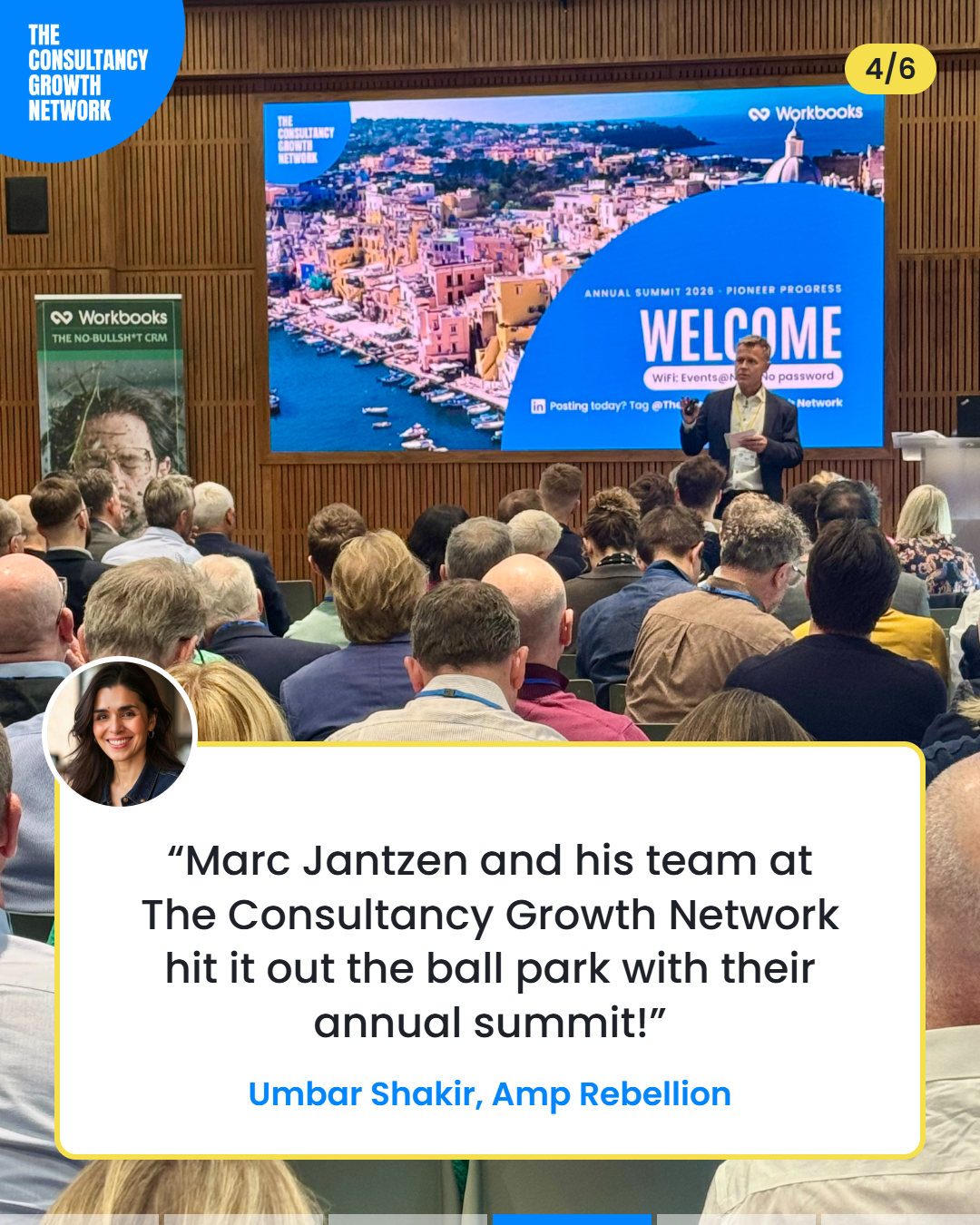
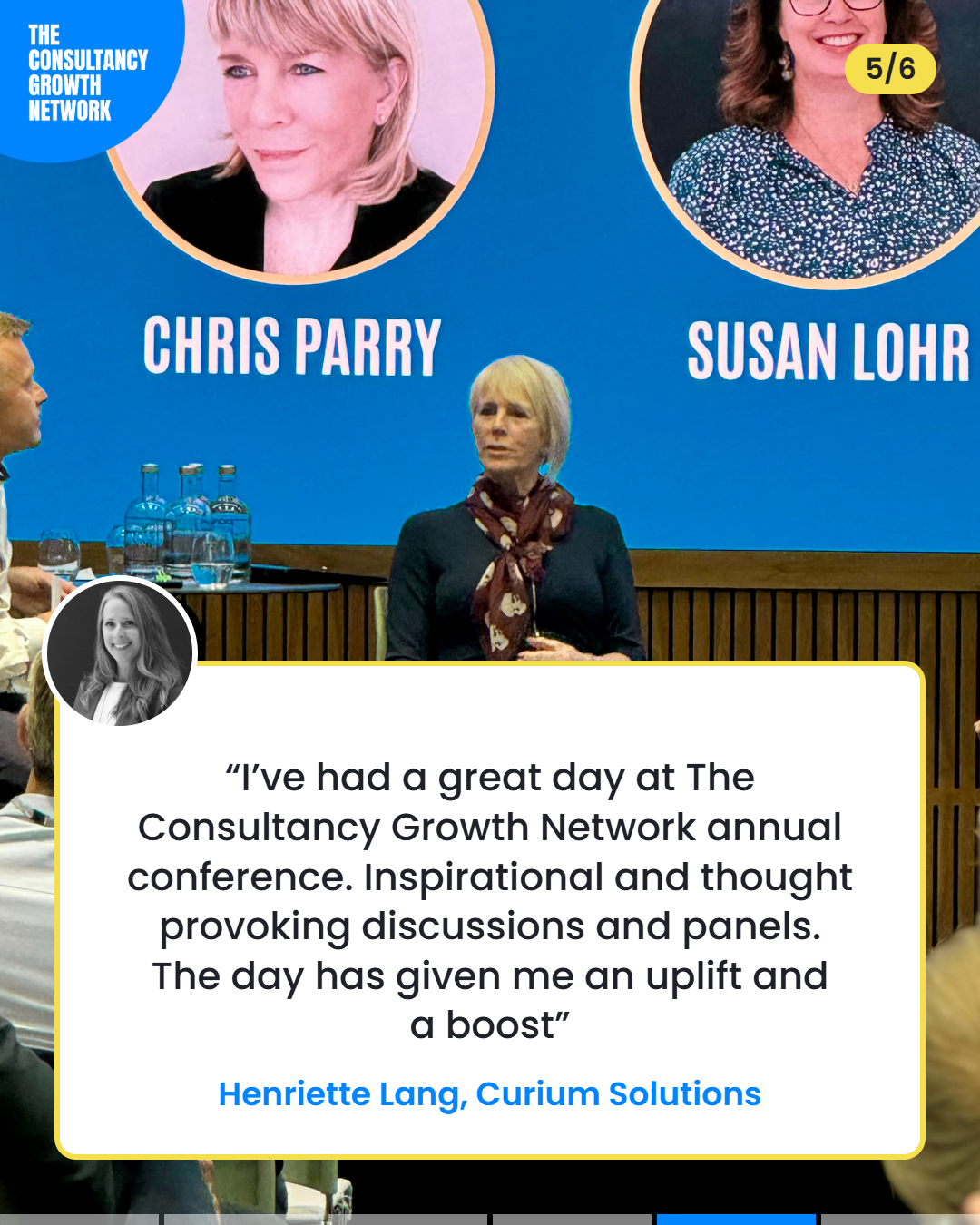
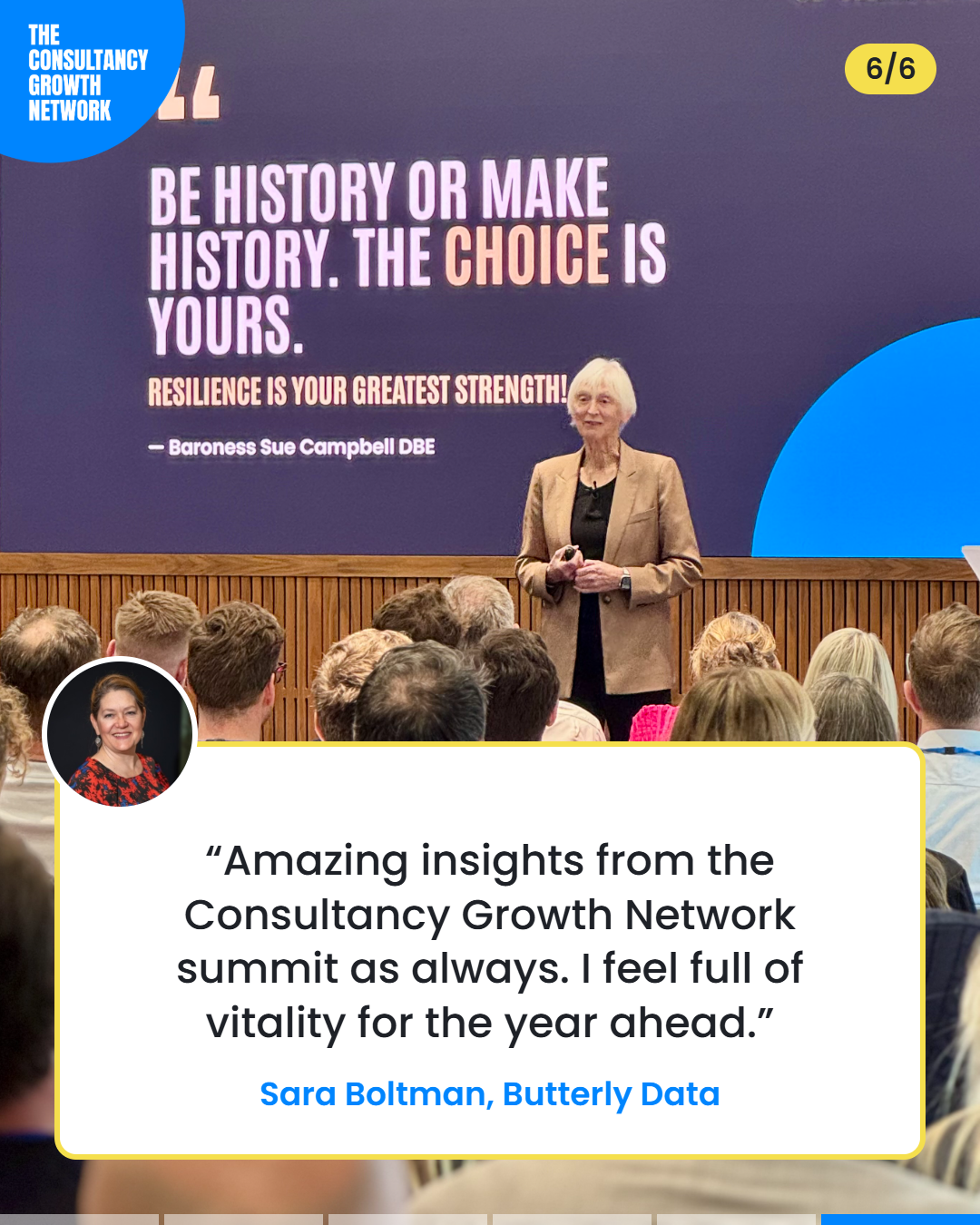
Thank you
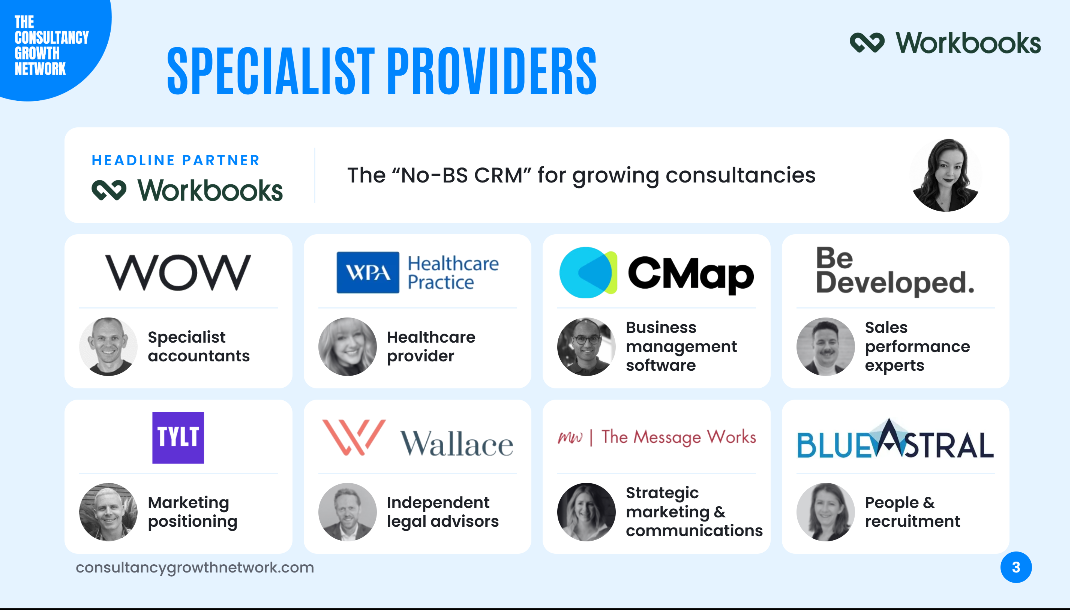
Thank you to our speakers and members, to headline partner Workbooks and to our specialist partners: BeDeveloped, Blue Astral, CMap, The Message Works, Tylt, Wallace, Wow and WPA.
Want to experience the Network for yourself?
Article | Network news

Written by
James Hurman
Digital Marketing Manager
The Consultancy Growth Network